
Ownership
How to Store Copper Bars: Keep the Mirror Shine and Value
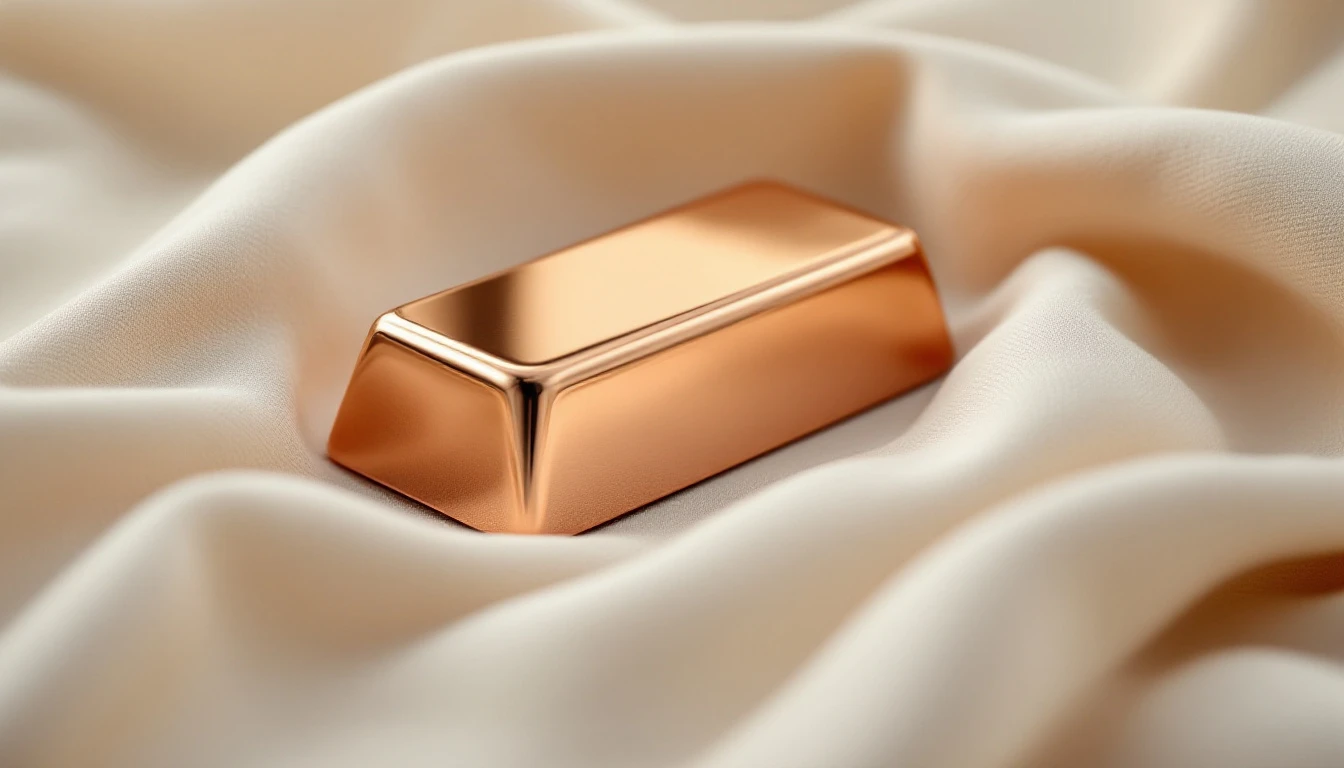
Humidity, handling and safe cleaning — the complete guide to preserving finish and value.
A copper bar is made to last for generations — and with a few simple habits it stays as mirror-bright as the day it left the atelier. Storing copper bars properly is neither expensive nor time-consuming: it comes down to choosing the right spot, handling the bar correctly and letting the protection do its job. This guide covers all of practical ownership: environment, handling, protection, cleaning and the documentation that preserves value.
Why does copper change over time?
Copper is a reactive metal — that is why it conducts electricity so well, and why it develops character over the years. When the surface meets oxygen, a thin, darker oxide layer forms (cuprite). Add moisture, carbon dioxide and time, and it can progress to the familiar green patina — the same coating that dresses the Statue of Liberty and old church roofs. The process is not rust: it does not damage the metal underneath, and the purity of the core is unchanged. But it changes the look, and on a polished collectible bar the look is part of the value.
- Phase 1 — months: the mirror finish gradually turns warmer and deeper in tone. Many collectors like this stage.
- Phase 2 — years: the surface darkens toward brown, first in patches where it has been touched, then more evenly.
- Phase 3 — many years in a damp environment: greenish patina (verdigris) in recesses and edges, eventually across whole faces.
How fast this happens is governed almost entirely by the storage environment and by how the bar is handled. A bar in a sealed acrylic case inside a dry cabinet stays bright for decades. The same bar loose in a basement can visibly darken within a year.
The storage environment: dry, stable, enclosed
Humidity is the single most important factor. Aim for under roughly 50 % relative humidity and a stable temperature — it is fluctuations that create condensation, and condensation that accelerates oxidation. In practice: normal living spaces are excellent; basements, garages and bathrooms are not.
| Location | Suitability | Notes |
|---|---|---|
| Cabinet or drawer in a living space | Excellent | Dry, dark, stable temperature — ideal for most owners |
| Home safe | Excellent | Add a silica gel sachet; replace it yearly |
| Bank safe-deposit box | Very good | Stable climate; you do lose the joy of display |
| Windowsill or open shelf in sunlight | Fair | Temperature swings and dust; great display, faster aging |
| Basement, garage, bathroom | Avoid | Moisture and condensation — where patina forms fastest |
- Put a small silica gel sachet in the box or safe — it costs pennies and keeps the microclimate dry.
- Avoid long-term direct contact with rubber, newspaper and some cardboard grades: they can release sulfur compounds that stain copper.
- Keep bars away from household chemicals like chlorine and ammonia — the fumes alone can spot the surface.
Handling: gloves, edges and soft surfaces
The most common damage to collectible bars is not drops or scratches — it is fingerprints. Skin leaves oils, salts and acids that etch into the copper surface. A print that is not wiped off the same day can become permanently visible: a dull, darker shadow of your finger in the middle of the mirror finish.
- Wear cotton or nitrile gloves when taking the bar out — or hold it strictly by the edges, never on the faces.
- Always set the bar down on something soft: felt, linen or microfiber. Stone and metal tabletops cause micro-scratches.
- For display, leave the bar in its acrylic case — guests see the finish without anyone touching it.
Physical protection: case and original packaging
A closed case solves three problems at once: it stops fingers, dust and most of the air exchange that drives oxidation. The hard plastic protective case is molded for 1 kg bars and lets you inspect and display the bar without opening it. Keep the original box too — at a future resale, complete packaging signals a bar that has been cared for, exactly as with watches.
Cleaning: what you can do — and what you never should
The ground rule is simple: on a collectible bar you preserve, you do not restore. Remove dust and loose dirt with a dry, clean microfiber cloth in light strokes. For more stubborn marks, use lukewarm distilled water with a drop of mild soap, rinse in distilled water, and dry the surface completely and immediately. That is the entire toolbox.
- NEVER abrasive polishes, steel wool or buffing machines — they grind away metal and can blur engravings and serial numbers.
- NEVER lemon + salt, vinegar or ketchup "tricks" from the internet: the acids strip oxide by dissolving the copper surface. Fine for cookware — vandalism on an engraved collectible bar.
- NEVER brass or silver polish: the chemistry is designed for other metals and leaves micro-scratches and residue.
- Be cautious with impregnated "polishing cloths" — many contain abrasives even when the packaging does not say so.
Documentation: COA, serial number and value
Physical condition is half the preservation job — documentation is the other half. Every Coppervm bar is XRF-verified and ships with a unique serial number and a signed certificate of authenticity (COA). Store the certificate separately from the bar (or photograph it), note the serial number, and keep the receipt. At resale, a bright bar with complete documentation is a different product from an anonymous, scratched bar with no history — even when the metal value is identical.
Checklist: copper storage in 60 seconds
- Choose a dry, stable spot in a living space — not the basement, garage or bathroom.
- Keep the bar in a closed case or pouch, ideally with silica gel.
- Handle only with gloves or by the edges, over a soft surface.
- Clean only with dry microfiber; never abrasives or acids.
- Keep the box, receipt and COA — documentation is value.
- Inspect the bar once or twice a year, gloves on.